India → AustraliaPet relocation

Moving your pet from India to Australia, handled end to end.

Australia is one of the most carefully guarded borders in the world for pets — and the rules are unlike any other route. We plan it, sequence it, and run every step.

Pets can’t fly straight from India to Australia — the journey goes through an approved country first. One team handles both legs, so the timeline never resets at a border.

DEL SIN MEL
4.9 from 257 Google reviews 2,000+ pets relocated 7+ years · IATA-compliant
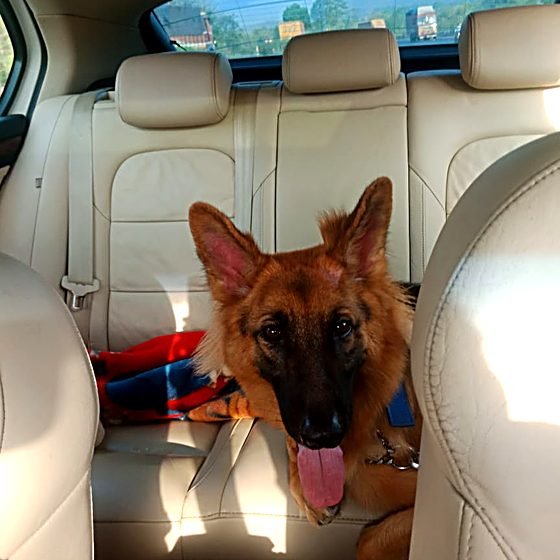
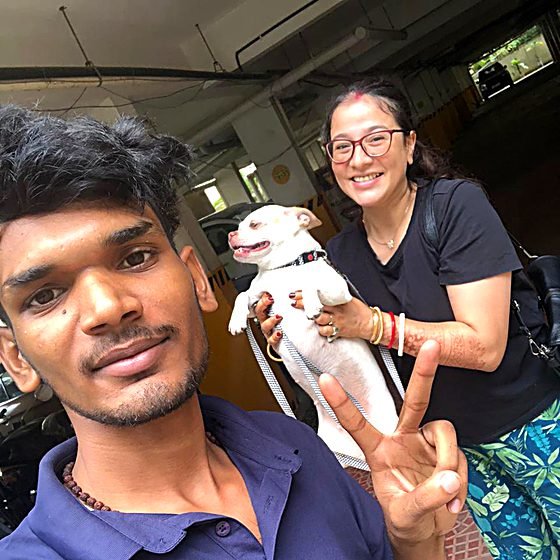
FidoJet handler with a pet parent and their German Shepherd before relocation

Start your free estimate

Takes ~60 seconds · no obligation · we reply fast
4.9
Google rating
257
Reviews
2,000+
Pets relocated
7+
Years
IATA
Compliant handling
AUS
Both legs coordinated

The honest version

There’s no direct route — and that’s the first thing to know.

Most pet-mover pages bury this. We lead with it, because getting the plan right from day one is the whole game.

No direct flight

You can’t fly direct from India

Australia classifies India as a non-approved country. No airline can carry your pet straight there — under any circumstances.

The path

It runs through an approved country

Your pet stays around six months in a country Australia recognises, where all of Australia’s prep is completed before the final flight.

The timeline

Plan around a year or more

Start to finish, this is the longest move we run. There are no shortcuts on the clock — so earlier is always better.

On arrival

Every pet clears quarantine in Melbourne

A short, mandatory stay at the government’s Mickleham facility. Home quarantine isn’t allowed — it applies to every pet.

This is exactly the move we exist for.

One team coordinates both countries — your pet’s departure from India, the staging-country stay, and the final flight into Australia — so nothing slips between borders and the clock never resets.

How the journey works

One move, two stages, three steps.

India out, the approved-country stay, then Australia in. Here’s the whole sequence — and why the order matters so much.

1Stage oneLeave India
  • ISO microchip + India vaccinations — the foundation every later document is checked against.
  • AQCS export health certificate + NOC — cleared for export through one of the seven AQCS-equipped airports.
  • IATA-compliant crate + first flight — your pet travels to the staging country to begin the approved-country stay.
2Stage two · ~180 daysThe approved-country stay
  • Official identity verification — done correctly and at the right time, this is what keeps quarantine at 10 days instead of 30.
  • Rabies blood test (RNATT) + the 180-day wait — required if you stage through a rabies-controlled hub. The clock runs from the day the lab receives the sample.
  • Parasite treatments + the DAFF import permit — applied for via BICON; allow up to four months for it to be issued.
The 180-day wait is the long pole. It’s a residency period, not quarantine — your pet stays settled in the hub while the calendar runs. Lapse a vaccine and the clock can reset, which is exactly what we’re here to prevent.
3Stage threeFly to Melbourne & home
  • Final certificates + flight to Melbourne — your pet travels as manifest cargo in a climate-controlled hold.
  • Mickleham quarantine — DAFF collects your pet at Melbourne airport and transfers them directly to the facility (10–30 days).
  • Released and delivered — once cleared, your pet is brought to your door in Australia.

Choosing your staging country

The single decision that shapes your whole timeline. It comes down to one thing — does the hub need a rabies blood test, or not?

Rabies-free hub · no titer

Skip the blood test and its 180-day wait

These countries are rabies-free, so there’s no RNATT — the six-month residency becomes your main clock, and you get the cleaner 10-day quarantine path.

Singapore · recommended Mauritius Japan
Rabies-controlled hub · titer

Adds the blood test + a 180-day wait

Common when you already have family there. You’ll do the rabies blood test and the wait — and the identity step has to be timed right to keep quarantine at 10 days, not 30.

United Kingdom UAE Hong Kong
Singapore is our usual recommendation — closest, excellent vets, and no titer. But the best hub is the one that fits your family and budget. We’ll map it with you before anything starts.

Dogs & cats

Where the rules differ — and where they don’t.

On the easier routes, cats travel light. Not here. Stage through a rabies-controlled hub and your cat faces the same rabies blood test and 180-day wait as a dog. Only a couple of dog-specific tests separate them.

Dogs

  • ISO microchip before any rabies vaccine
  • Rabies vaccine + RNATT (via a rabies-controlled hub)
  • Extra vaccines incl. leptospirosis
  • Disease tests (e.g. Brucella, Leishmania) where required
  • Two rounds of internal + external parasite treatment

Cats

  • ISO microchip before any rabies vaccine
  • Rabies vaccine + RNATT + 180-day wait via a Group-3 hub
  • Via a rabies-free hub (e.g. Singapore): no titer, but residency + quarantine still apply
  • Core feline vaccinations
  • Internal + external parasite treatment
Some breeds can’t be imported at all. Pit Bull Terrier, Japanese Tosa, Dogo Argentino, Fila Brasileiro and Presa Canario (and crosses, judged on appearance); plus wild-hybrid cats such as Savannah and Bengal. We confirm eligibility before any planning begins.
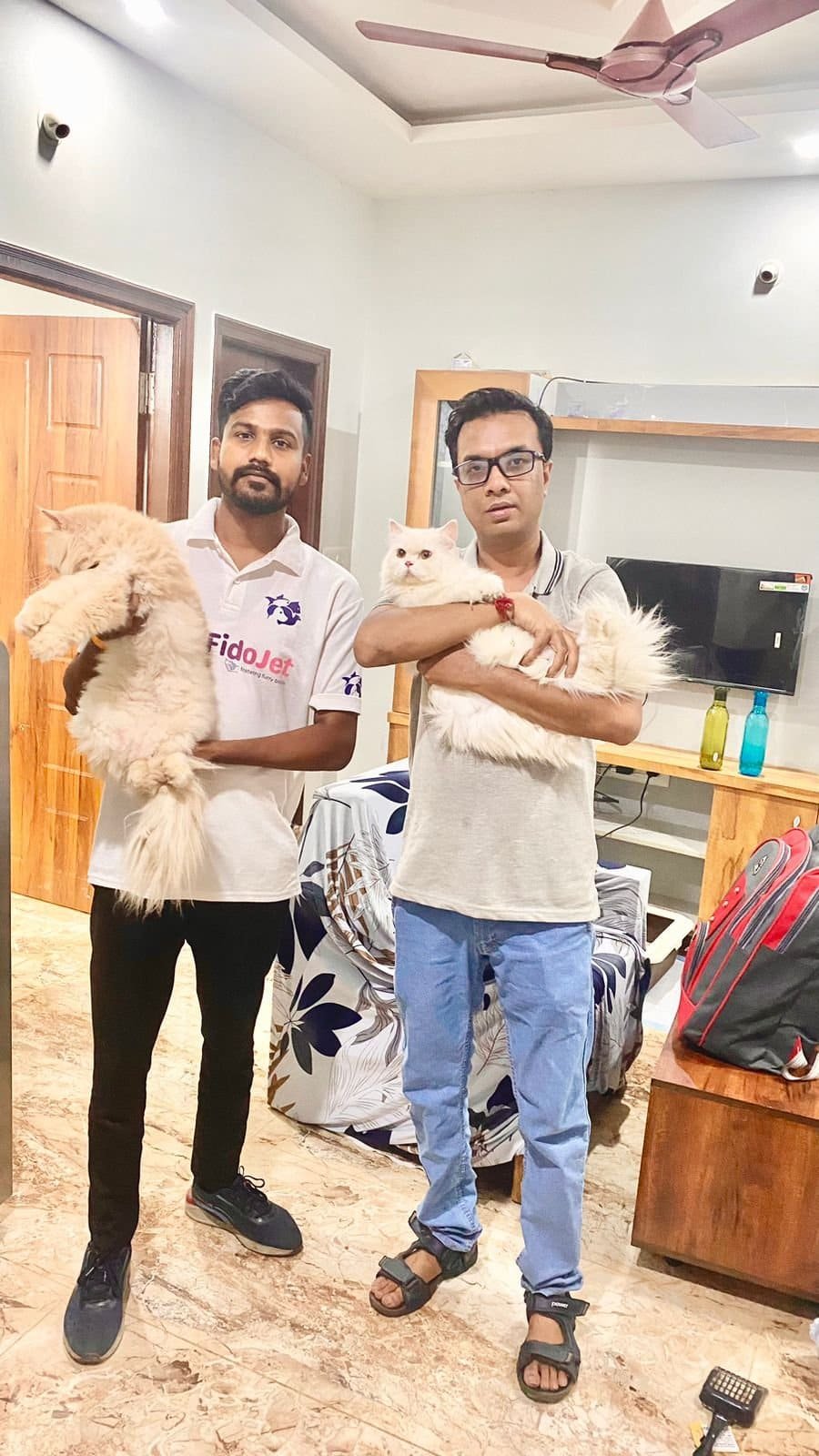
FidoJet handler with a pet parent and their cats at home pickup

How your pet actually travels

Two flights, one rule that surprises people.

The journey is two legs with a long stay between them — and on the way to Australia, how your pet flies isn’t a choice.

1India → staging hub

The first flight

We export your pet from India in an IATA-compliant crate to the approved country, where the six-month stay and all of Australia’s prep take place.

2Staging hub → Melbourne

The second flight

Once the permit, blood test and waiting period are satisfied, your pet flies to Australia — arriving, by law, at Melbourne.

Every pet flies as manifest cargo — by Australian law

Cabin, checked baggage and excess baggage are all prohibited. Your pet travels in a climate-controlled, pressurised hold. This isn’t a FidoJet limitation — it’s the rule for every pet entering Australia, and we book it on both legs.

Arrival is handled for you

If the aircraft changes en route, it can only happen airside at approved hubs such as Dubai, Hong Kong or London. On landing in Melbourne, DAFF officers collect your pet at the airport and transfer them directly to Mickleham — you don’t collect at the terminal.
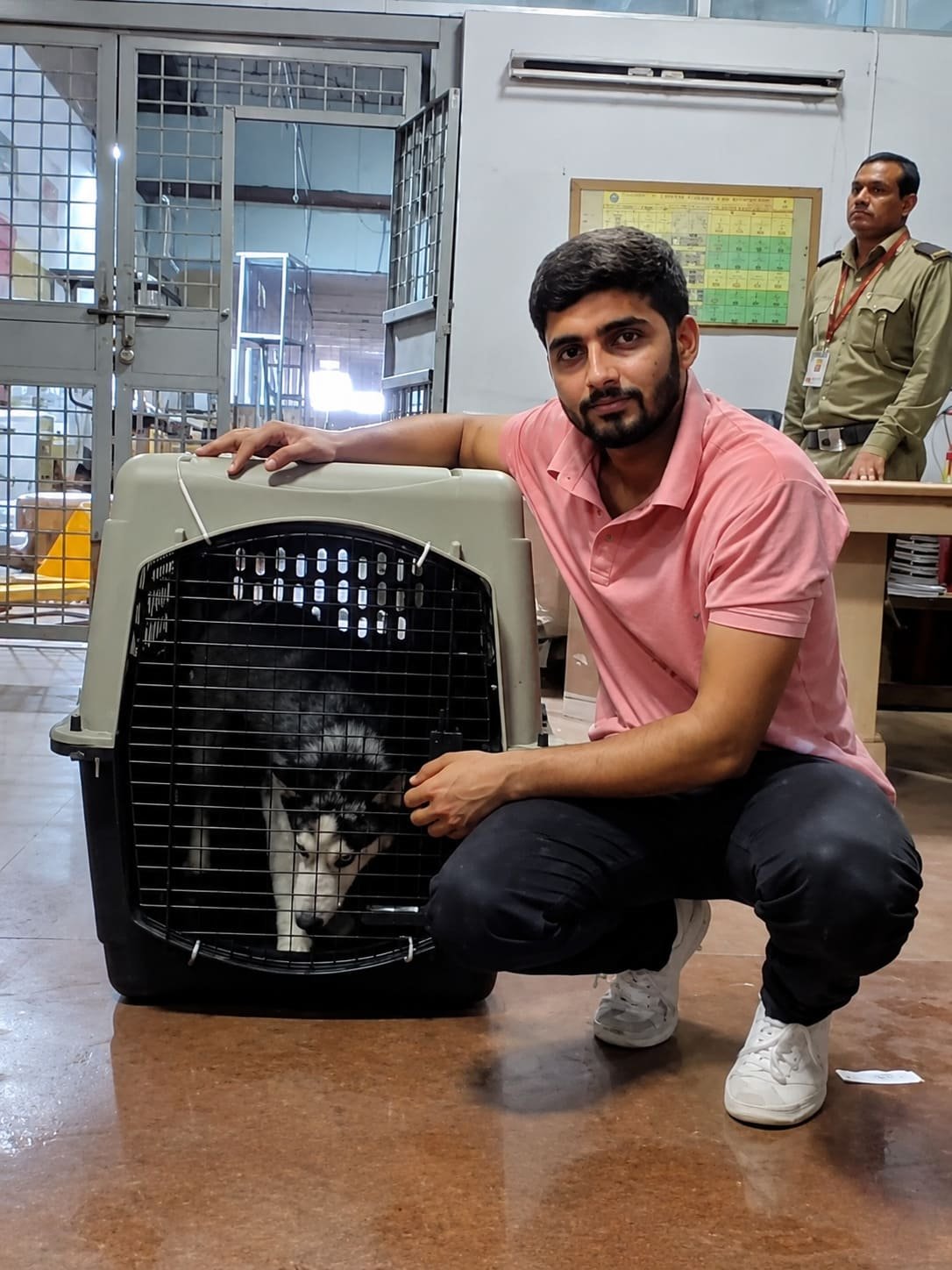
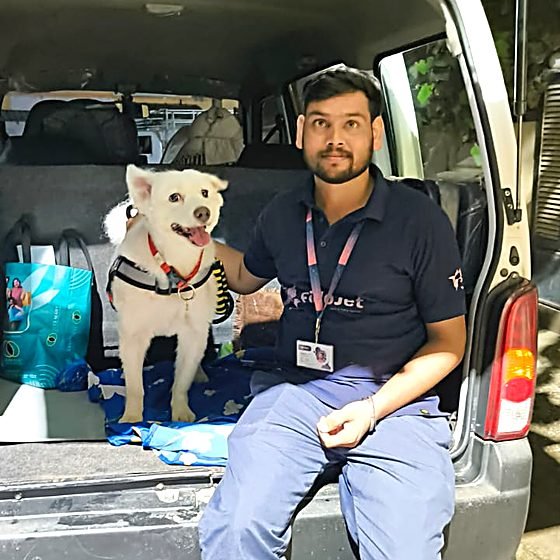
FidoJet handler beside an IATA crate at the air-cargo terminal

The timeline

Plan around a year or more.

No route we run asks for more patience. Here’s how the months stack up — and where the time really goes.

Weeks

Plan & depart India

Microchip, vaccines, AQCS export, first flight.

Month 1

Settle in the hub

Arrive, begin Australia prep with an approved vet.

Months 1–2

Test, permit, ID

Rabies blood test, identity check, DAFF permit.

~6 months

The 180-day wait

The long pole. Your pet stays settled while the clock runs.

Then

Fly to Melbourne

Final certs, manifest cargo into MEL.

10–30 days

Quarantine & home

Mickleham, then delivered to your door.

Stage through a rabies-free hub like Singapore and you skip the blood test and its 180-day wait — the six-month residency becomes your main clock instead. Either way, starting around twelve months out is the safest plan.

What FidoJet handles

One team. Two countries. Every step.

The reason this route is survivable: you never hand off between agents at a border. We hold the whole sequence across both legs.

India export — crate, AQCS cert, NOC, flight

Staging-country partner network

The six-month stay — boarding + vet coordination

Rabies blood test + lab scheduling

Identity verification done right — the 10-day path

DAFF import permit (BICON)

Export health certificates

Manifest-cargo booking — both legs

Mickleham quarantine booking + coordination

Final delivery to your door in Australia

One team, two countries, one point of contact.

You don’t restart with a new agent on the other side of a border. We hold the whole sequence — so a missed window in the hub can’t quietly cost you another six months.

Why FidoJet →

What shapes the cost

There’s no flat price — and here’s why.

This is the most variable move we do. We’d rather show you the real drivers than quote a number that can’t hold.

1

The staging-country stay

Usually the largest single cost — around six months of boarding and care in the hub.

2

Two flight legs

India → hub, then hub → Melbourne, both as manifest cargo.

3

Vet & lab work

Vaccines, the rabies blood test and any required disease tests in the hub.

4

DAFF permit + quarantine

The import permit plus Mickleham quarantine fees, set by the government.

5

Your pet’s size & breed

Crate size drives airfreight cost on both legs.

6

Departure city & timing

Your Indian city, the hub, and seasonal heat embargoes that move dates.

Get a clear, itemised quote

Tell us your pet and your situation — we’ll break the journey down line by line, with no surprises.

Get a free quote

Departure cities & the route

We move pets to Australia from every major Indian city.

Wherever you’re starting, the journey ends the same way — at Melbourne, for clearance at Mickleham.
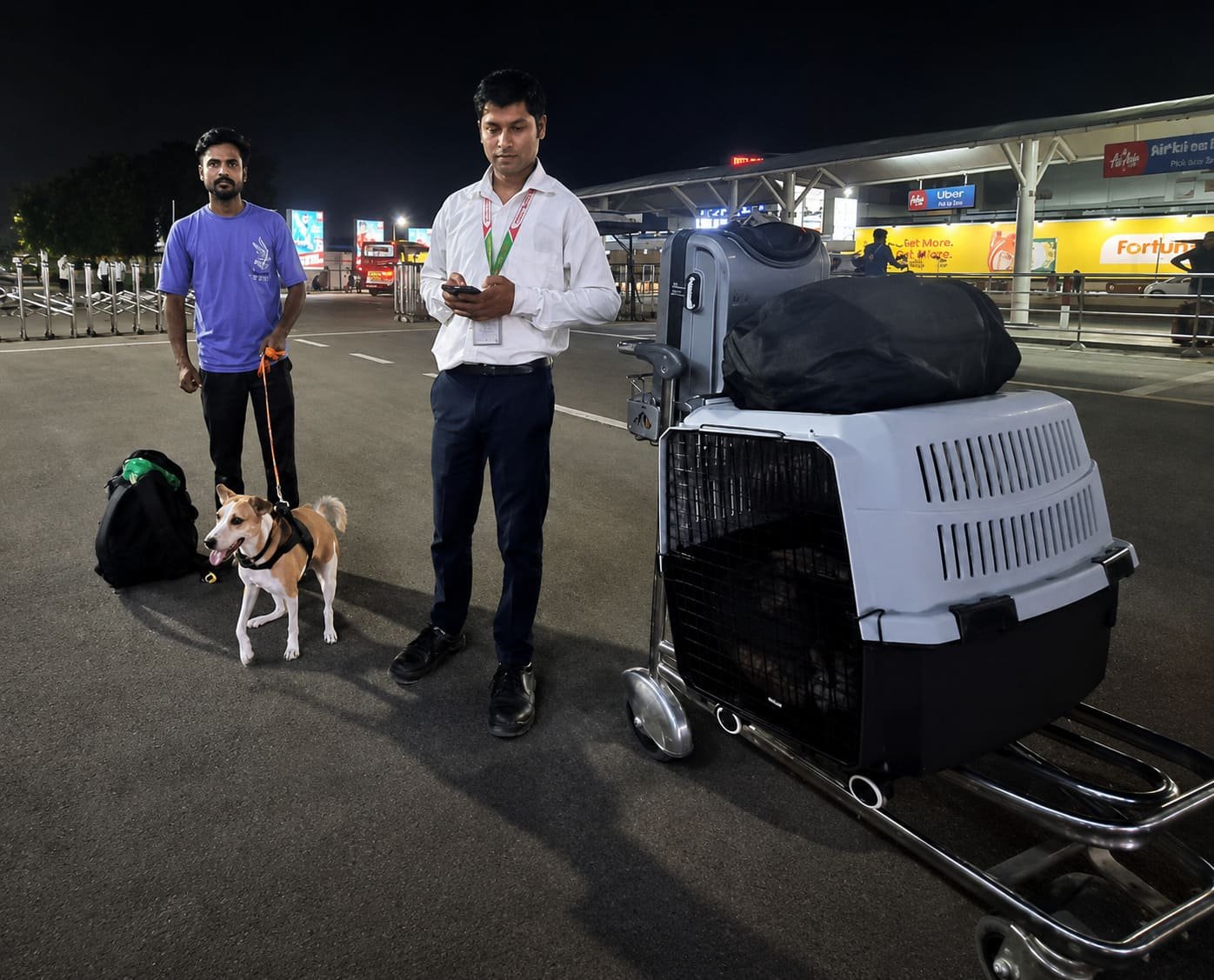
FidoJet team at the airport with an IATA crate on a trolley before a pet’s departure
See all destinations

Singapore shown as the example hub — your staging country is chosen with you. Every route ends at Melbourne (Mickleham).

Pet parents

Trusted by 2,000+ families.

Google4.9from 257 reviews
DELSINMEL

“Simba is finally out of quarantine and home in Melbourne — a year-long journey. Because India isn’t an approved country, you routed him through Singapore for six months to qualify. I worried about him being away so long, but the updates never stopped. Manjeet held it together across three countries when I was falling apart.”

NB
Nikhil BhatiaDelhi → Melbourne · via Singapore
BLRSINMEL

“Rocky reached Melbourne and cleared quarantine. Moving him via Singapore because of the Australia rules was such a complicated route on paper, but you managed every handover between the countries so smoothly that from my side it felt like one clean process. Thank you, Sahil and the team.”

AN
Aditya NairBengaluru → Melbourne · via Singapore
BOMLHRMEL

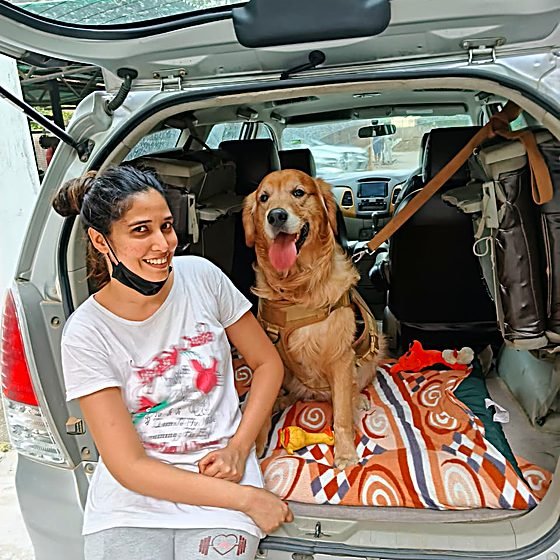
“Pepper is home in Melbourne, back to demanding dinner at 6pm like nothing happened. I had no idea a cat from India couldn’t fly to Australia directly — she had to route through the UK first for the approved-country rule. I nearly gave up, but you laid it out step by step, and every deadline Akash gave landed exactly.”

AD
Anjali DeshmukhMumbai → Melbourne · via the UK

India to Australia

Common questions.

The questions every family asks us about this route — answered straight.

Can I fly my pet directly from India to Australia?
No. Australia classifies India as a non-approved country, so no airline can carry your pet straight there. The only path is to first relocate your pet to an approved country, complete all of Australia’s preparation there over a minimum 180-day stay, and fly to Australia from that country.
What is an “approved country” or staging country?
It’s a country whose animal-health system Australia recognises. Your pet must live there continuously for at least 180 days before export, with all vaccines, tests and the import permit completed in that country — Australia won’t accept anything done in India.
Why do you usually recommend Singapore?
Singapore is rabies-free, so it skips the rabies blood test and its 180-day wait entirely — the six-month residency becomes the main clock. It’s also close, has excellent veterinary care, and is easy to visit. The best hub still depends on your family; if you have people in the UK or UAE, a rabies-controlled hub can make sense too.
How long is the stay in the staging country?
A minimum of 180 consecutive days immediately before export. It’s a residency period, not quarantine — your pet lives normally in the hub while the time runs.
When does the rabies blood test (RNATT) apply?
Only when you stage through a rabies-controlled country (such as the UK or UAE). The blood test is followed by a fixed 180-day wait counted from the day the lab receives the sample. Stage through a rabies-free country like Singapore and there’s no blood test or wait.
How long is quarantine in Australia?
Every pet completes a stay at the government’s Mickleham facility near Melbourne — home quarantine isn’t allowed. The minimum is 10 days if the identity-verification step was done correctly before the blood draw, and 30 days if it wasn’t. Getting that sequence right is part of what we manage.
How early should we start?
Around twelve months ahead is the safe plan. Between the staging stay, the blood test and wait, the permit and the quarantine booking, this is the longest-lead move we run — and early starts leave room for the unexpected.
Can my pet travel in the cabin?
No. Australian rules require every pet to enter as manifest cargo in a climate-controlled hold — cabin, checked baggage and excess baggage are all prohibited. We book the cargo on both legs of the journey.
Are any breeds banned from Australia?
Yes — the Pit Bull Terrier, Japanese Tosa, Dogo Argentino, Fila Brasileiro and Presa Canario (and crosses, judged on appearance), plus wild-hybrid cats such as Savannah and Bengal. We confirm your pet’s eligibility before any planning begins.
Do cats really need the blood test too?
If you stage through a rabies-controlled country, yes — cats face the same rabies blood test and 180-day wait as dogs. Unlike the USA or Canada routes, cats aren’t the easy path here. Via a rabies-free hub like Singapore there’s no blood test, but the residency and quarantine still apply.

Australia is a year-long journey. Let’s map yours.

Tell us where you’re starting and where your pet’s headed. We’ll lay out the whole path — hub, timeline, costs — and run every step.